

- 07 | 10 | 2026
Explore our resources
Support

Latest Insight
Paper, paper everywhere and barely time to think: law firm document management
Read moreAbout the company
Latest Insight
Paper, paper everywhere and barely time to think: law firm document management
Read moreImportant considerations when moving to a digital mailroom


Introduction Adapting to a decentralised workforce
Digital mailrooms are becoming increasingly practical for many reasons, one of which is the fact that more and more employees are working from home or other locations. Most companies have moved to some form of remote working environment and some of these companies have no plans to return to the office any time soon, if ever.
Digital mailrooms target incoming communications (physical and digital mail) on receipt in either a capture-to-process or capture-to-archive workflow. This automated process offers many benefits to organisations, including reduced need for physical storage space and furniture, less printing and copying, faster routing and secure storage.
Digital mailroom providers can help you optimise your mail processing practices and develop an efficient, automated operating environment that exceeds the capabilities of your current human-driven solution. Before digitising your operation, consider these ten factors to ensure you have a complete end-to-end understanding of the process.

Capture and Clarification Turning physical inbound mail into structured data
- Document and data capture
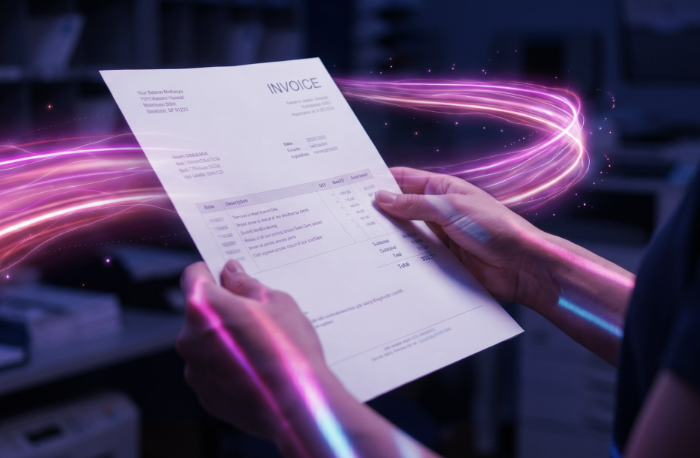
Digitisation begins with the capture of both electronic and physical sources, such as mail, email, fax, PDFs, images and so on. Not only can you open and capture digital versions of physical documents, but you can also extract assets (such as images) or data points (such as invoice numbers or patient record numbers) from paper and digital document records.
- Document types and downstream requirements
To effectively consider the efficiencies that can be achieved with your digital mailroom, you and other stakeholders need to have a thorough understanding of the types of documents your organisation receives and sends, how documents are received, and how documents are ingested or processed by other systems.
- Document management strategy
Whether you receive a digital document or digitise it by scanning, you need to consider how to route it. Will you forward it to a member of staff? Initiate a workflow? Think beyond the simple routing of the entire document and value the data it contains.
From physical inbox to automated action Rules for routing, storage and archiving
A digital mailroom isn’t just about replicating physical mail in digital formats and relegating the resulting files to a single shared folder or email inbox. A digital mailroom solution enhances document storage through workflow.
Operational consideration Three areas that will shape your digital mailroom strategy
Identification and classification
While you can store documents in bulk in a storage system as you would with physical storage, this isn’t best practice for a digital mailroom. Consider how you want to manage document identification and classification to increase the efficiency of your new digital mailroom system.
Analysis and reporting
As you capture documents and incoming communications, your digital mailroom can track and measure data previously embedded in and attached to documents, such as, date received, intended recipient, timestamp of opening and other applications that will use the document’s information downstream.
Organisational structure and policies
With part of your team working remotely, digital mailrooms provide a central hub for automatically collecting and distributing information between members of a distributed team. The digital mailroom repository can be accessed by anyone with appropriate permissions and an internet connection, from any device.

Practical Considerations Planning for a real-world scenarios from day one
- Remote access
The digital transformation enabled by the digital mailroom is even more critical given the impact of the coronavirus on many organisations. With more remote workers – not just in your organisation, but in companies you work with – it’s not always possible to receive physical mail at an office location. Secure cloud storage ensures that everyone has easy access to the right documents when they need them.
- Non-scannable items
Some organisations use more non-digital documents than others and may have a higher proportion of illegible paper, such as handwritten receipts and physical product returns. Scanning 100% of your documents is rarely feasible, so consider how your organisation will handle these non-scannable items. Also consider the priority of these items as this will help you when creating a plan.
Take action Ready to get started?
If you think a Digital Mailroom could be the right solution for your organisation, contact us and a member of our team will be able to help you on your Digital Mailroom journey.
Get in touch

- 29 | 09 | 2026
Records management: the answer to legal firms’ ESG challenges?
Read Records management: the answer to legal firms’ ESG challenges? now