

- 15 | 08 | 2026
Explore our resources
Support
About the company
Planning a document scanning project? Read these top tips first

Converting your organisation’s hardcopy documents into digital files can feel like a big undertaking. How can you keep everything secure during the process? What should you do with the originals? Which formats can be scanned? Will your scanned files be AI-ready?
We’ve used our experience with thousands of clients to create these 7 top tips for running an efficient, cost-effective project.

Tip 1 The right pre-work will guarantee the best result
Sometimes it’s clear which files need scanning – let’s say you’re a regulated company and have to upload digital records to a compliance body. But if your objective isn’t compliance driven – maybe you’re freeing up space, or making data available for collaboration and AI projects – things might be less clear cut. You’ll need to do a thorough check of what’s in your boxes and cabinets, to avoid wasting budget digitising ROT (redundant, obsolete or trivial) data. Your scanning provider should be able to help you quickly and efficiently weed out the valuable files from the rubbish before scanning begins.

Tip 2 Don’t automatically put hardcopy originals into storage
It might sound odd for an outsourced document storage provider to advise against storing all your paper originals after scanning. But just as you need to separate the wheat (valuable information) from the chaff (ROT data) before starting, the same applies to storage. Some papers can be destroyed once they’ve been scanned, some will need to be kept because of their value or for regulatory reasons, and some will need to be shredded within a certain timeframe for data compliance. A good digitisation partner will work with you on a plan to deal effectively with your originals once they’ve been scanned.

Tip 3 Don’t discount ‘difficult’ formats for scanning
We work with all kinds of organisations, handling all kinds of documentation. Metres-long oil well logs. Very large blueprints of ships. Microfiche of local authority records from fifty years ago. Digitising these legacy formats gives them a new lease of life: making the data available to people who otherwise wouldn’t have access, for research, analysis and decision-making. Even the most incomprehensible doctor’s scrawl rarely causes problems, because our AI-based systems can recognise and convert handwriting into text formats.
Tip 4 Track your documents at every stage
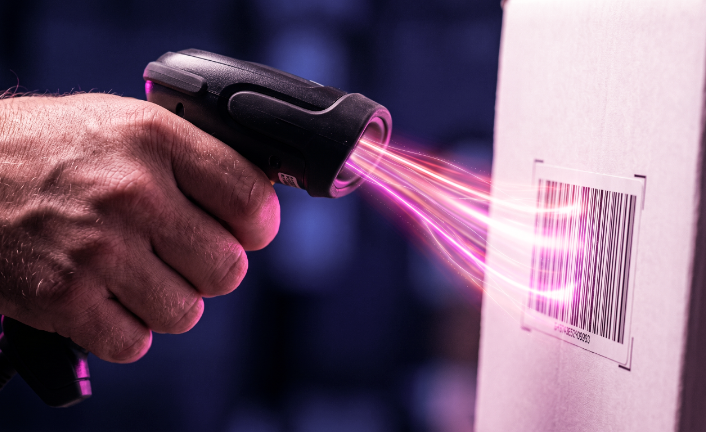
Digitising documents can help keep them secure and compliant with data protection – no more stray papers going missing, getting damaged or being seen by the wrong person. While scanning is happening, however, you’ll need a watertight process to keep tabs on what goes where. At OASIS we barcode and track every box of papers from collection to delivery vehicle and into the hands of our professional scanning team. That way if you need an item unexpectedly we always know where it is. Plus there’s no risk of it going missing, and you can always audit the journey, who signed for it and what happened to it.

Tip 5 Don’t just scan – digitise!
Scanning and saving a static image will, in most cases, be far less useful to your organisation than making the information searchable and readable. It’s the ability to identify, tag, and extract information that allows the data to feed into other organisational workflows. We’ll index your scanned documents (tagging them with searchable labels that are relevant for your organisation like case references or account names) and use optical character recognition (OCR) to turn scanned images into digital text. That way your valuable information can be put to use – fuelling better-informed decision-making and providing richer data for your AI models.

Tip 6 Make sure your scans will be legally admissible
In order to prove that a digital file is a true representation of a hard copy, it must have been scanned by a supplier covered by BS 10008: Evidential Weight and Legal Admissibility of Electronic Information. You may find some suppliers reference this British Standard but don’t hold the certification at the relevant location. That’s a big problem if you need to use a document in legal proceedings and the original has been destroyed post-digitisation.
Tip 7 Don’t think of scanning as a ‘one and done’ project
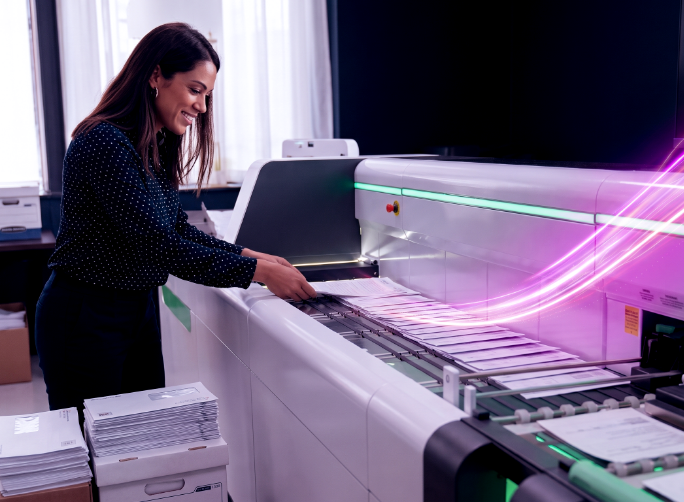
Unless you’re one of those (rare) organisations that has managed to go almost completely digital, the chances are paper will keep flowing into your organisation. Scanning your paper archive will bring enormous benefits but what happens when the hardcopies start to pile up again? Talk to your scanning provider about an ongoing scan-on-receipt service so you can keep on top of your digitisation for good.
Whatever your size of project - OASIS can help
Whatever your size of project – from a few boxes to a bulk scanning millions of pages, low-volume scan-on-receipt or high-volume intake for a digital mailroom – we can help. Get in touch to find out more or to book an initial consultation.
Get in touch

- 04 | 08 | 2026
How to choose a corporate whistleblowing platform – questions for compliance leaders
Read How to choose a corporate whistleblowing platform – questions for compliance leaders now